
 Linda MacMillan spends a lot of her day criss-crossing Ottawa – visiting shelters, drop-in centres, outreach agencies, encampments, and people’s homes.
As the municipality’s dedicated veteran case worker, MacMillan is helping former members of the Canadian Armed Forces or Royal Canadian Mounted Police (RCMP) who don’t have stable, permanent, or appropriate housing.
“These are folks that served our country. They are eligible for benefits and priority supports thanks to their service, but many don’t even know about them and end up homeless or unhoused for one reason or another,” MacMillan said.
“They should be receiving that support, and I think that’s what Ottawa has done. As a city, we’ve identified that this is a demographic that needs extra help,” she said.
“I’m here to give someone all of the opportunities that they have available, engage people in complicated situations and find a housing solution that works for them.”
The veteran case worker position is city-funded and hosted at The Ottawa Mission, but MacMillan works with all housing service and veteran support agencies in Ottawa to identify and support veterans experiencing homelessness.
It’s just one of several initiatives that the city of Ottawa has implemented since taking its first steps to address veteran homelessness as a priority in 2020.
In the fall of that year, Ottawa City Council established a Veteran Task Force and a Veteran Housing Working Group to help identify veterans experiencing homelessness and to house them. Nearly two dozen agencies joined these groups.*
The city also became one of the more than 20 communities participating in the Canadian Alliance to End Homelessness’s Built for Zero Canada (BFZ-C) Veteran Community Cohort, a group of cities across Canada that have launched coordinated approaches to tackle veteran homelessness, with support from Veterans Affairs Canada.
Communities in the cohort have opportunities to connect with peers across the country to share learnings, and receive dedicated coaching on best practices and strategies to end veteran homelessness.
Identifying veterans experiencing homelessness
After assembling these resources and connections, Ottawa took the next step—understanding how many veterans were actively experiencing homelessness.
In Fall 2024, the city conducted its Point in Time (PiT) count, finding 2,952 people experiencing homelessness. Of those surveyed (2,595), about 4%, self-reported as former military or RCMP.
The snapshot was helpful, but to really understand the problem, Ottawa needed real-time, by-name data of all service-verified veterans actively experiencing homelessness. But identifying veterans can difficult.
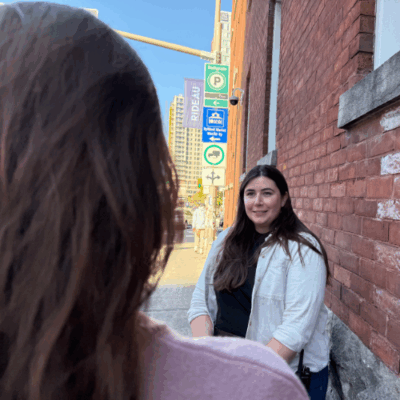
Linda MacMillan
“I often hear this feeling of unworthiness—people who have only been in the military for a short amount of time, or served maybe 20 years ago in their youth, and they don’t feel like they deserve to tap into those resources, or they don’t want to take away resources from someone else,” said MacMillan.
The veteran working group started asking specific questions, like “have you served in the Canadian military or RCMP?” or “have you participated in basic training?” to facilitate conversations with folks who may not have thought their experience qualifies them for veteran benefits.
They developed a veteran-specific consent form and referral form that facilitates communication between services.
By 2022, the Veteran Housing Working Group began submitting data to BFZ-C. In June 2023, Ottawa had quality baseline data confirmed by BFZ-C—meaning Ottawa had a monthly snapshot of the total number of veterans experiencing homelessness, along with real-time, person-specific data needed to follow up with each of them to support their next steps toward housing.
Using the City of Ottawa Housing Services’ existing Community Capacity Building Training Program, a veteran-specific training module was developed to build capacity within the sector to support veterans.
MacMillan continues to strengthen the community’s ability to identify veterans by engaging with organizations that support people experiencing homelessness and expanding community referral pathways.
Ongoing support to get people into housing, and help them stay
Once a veteran has been identified and connected with MacMillan, she supports them in their journey to find housing. That can mean helping with getting documents like a birth certificate, filing taxes, seeing if income supports are needed, and connecting them to any resources they may need.
The process includes determining what housing option is the right fit for each veteran, such as supportive housing, rent-geared-to-income housing, or the private market with or without a housing benefit to make the rental more affordable.
The veteran case worker has a call every two weeks with the city of Ottawa to discuss the situation for each veteran, identify housing and support services for them, and collectively work to address barriers preventing veterans from accessing resources.
MacMillan usually supports 20-30 veterans at one time.
“I do tend to have a bit of a smaller caseload compared to other case workers, where they might have up to 70 or 80 people associated with them,” she said.
It means MacMillan has more time to support veterans once they are housed, to make sure it’s the right fit. Sometimes, the first home isn’t.
MacMillan helped one veteran find housing in a rent-geared-to-income seniors building and was checking in every week to see how he was adjusting.
“He was apprehensive about supportive living, so he tried the independent living. But at a certain point told me, ‘I don’t think this is working,’” MacMillan said.
She got him onto a priority list, and he was able to get into supportive living where he has access to 24-hour staff, medication management, and other supports.
“While his first unit didn’t work out, he was never abandoned. I was still going there weekly until he was connected with the next level of support,” said MacMillan, adding the continued support after being housed helped to prevent the client from falling back into homelessness.
“Having one person who’s accountable to engage assertively with veterans, in a really targeted way, and who’s in the community seeking out those resources—I think it’s making a big difference,” MacMillan said.
More supportive housing needed
Since the veteran case worker position was created in November 2021, the initiative has helped house 28 homeless veterans.
As of September 2025, there are 37 self-identified veterans experiencing homelessness in Ottawa.
The number fluctuates, as some people move into housing, while others remain on housing waitlists or move to different communities. Meanwhile, other veterans are pushed into homelessness and get connected with MacMillan.
Ultimately, MacMillan says there is one thing that would really help her work.
“We need more affordable housing, we need more supportive housing,” she said.
The impact of having new homes is immediate and clear. In February 2021, the Veterans’ House: the Andy Carswell Building opened in Ottawa as a permanent, supportive and affordable housing project with 40 bachelor units dedicated to veterans experiencing homelessness, with wraparound supports including mental and physical health services.
More than 75 veterans experiencing or at risk of homelessness from across Canada have been housed at the Andy Carswell building since opening, but dozens more are on the waitlist.
“The city is really great at trying to prioritize veterans in need, but I can’t control when folks get housing because it’s based on the capacity of housing providers, if they have vacancy,” says MacMillan.
Ultimately, the city still has one target in mind: absolute zero veterans experiencing homelessness—and the work to get there continues.
*The community agencies that are part of the Veterans Homelessness Task Force include: Veterans’ House Canada, the Royal Canadian Legion, Veteran Affairs Canada, Ottawa Innercity Ministries – Veterans Outreach and Support, Ottawa Mission – Veteran Case Management Program, Wabano Centre for Aboriginal Health, Salvation Army, Shepherds of Good Hope, Cornerstone – Housing for Women, VETS Canada, and Soldiers Helping Soldiers.