
Nobody wants to be homeless.
Given the choice, no one would choose to live in a tent, an encampment, or on the streets — especially not during the frigid Canadian winters.
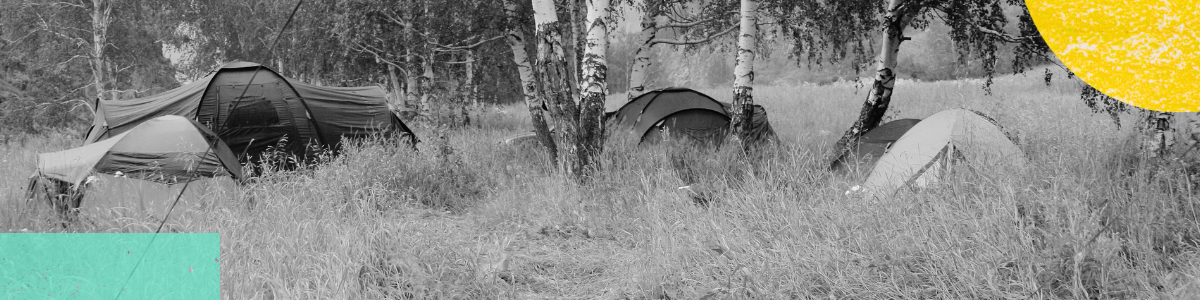
Yet homelessness, especially unsheltered homelessness, is surging across the country. Since 2018, unsheltered homelessness has increased by 300%, according to the 2024 national Point-in-Time Count. The amount of human suffering is staggering. It’s a national crisis.
The good news is we know the solution. People need safe and affordable housing, and support for their recovery.
And now, the Canadian Alliance to End Homelessness (CAEH) and the County of Simcoe are launching an innovative new Bridge Housing program to model a pathway out of this crisis.
It’s called Bridge to Stability — A County of Simcoe Bridge Housing Program for Unsheltered Homelessness, and the project is the first in Canada to be funded through the second round of the Homelessness Reduction Innovation Fund (HRIF).
Bridge to Stability is receiving nearly $1.7 million from HRIF — a $45 million federally funded initiative administered by the Canadian Alliance to End Homelessness (CAEH) to fund innovative projects that rapidly and measurably reduce homelessness in communities across the country.
The objective is ambitious: to reduce unsheltered homelessness by 20% in Barrie and across the county over the next year by supporting 50 people to exit homelessness and move into permanent housing.
“Simcoe County and the City of Barrie have been tackling this issue head on, which makes this the perfect place to test a promising new rapid response to unsheltered homelessness that we hope to see scaled across the country,” said Tim Richter, President and CEO of CAEH, during the launch of the project on February 6.
Responding to an urgent need
In early September 2025, the homelessness situation in Barrie made national news when its mayor, Alex Nuttall, declared a state of emergency, saying the city was experiencing a major increase in the number of encampments.
As bylaw officers moved in to dismantle the encampments, County of Simcoe staff worked around the clock with its partners, including emergency shelter providers and outreach teams to open new shelter beds and warming centres, finding temporary spaces for people being displaced.
It’s part of the broader work that the County had already been doing to address homelessness, including the launch of a 10-point homelessness prevention plan in 2023, the opening of two rapid rehousing programs in early 2025 for youth and seniors experiencing homelessness, and an expansion of street outreach services across the county to support people living outside in encampments or other places not meant for habitation.

Resident room at Bridge to Stability
“More and more people and families are being pushed into homelessness, amidst rising costs of living and a shortage of deeply affordable housing,” said Andrew Scavarelli, the director of housing and homelessness services for the county.
“The County of Simcoe is responding to the rising need. In 2025, we housed more people than the two previous years combined. But we know it’s not enough, and there’s more to be done,” Scavarelli added.
In June 2025, the County of Simcoe purchased a 40-unit modular facility from an outfitter in northern Alberta that repurposes modular buildings from decommissioned mines to be used for housing units. It was the fifth modular facility they purchased, as the County works to rapidly expand the availability of deeply affordable and supportive housing.
It took months to arrange transportation and permitting to bring the modulars across the country and into Barrie. During that time, the County and CAEH — which have been working together since 2015 — initiated discussions on a new partnership to support people with the most acute needs, facing the most complex barriers to finding permanent housing.
From those discussions, the plan for Bridge to Stability project was born.
What is Bridge Housing?
Bridge Housing is a short-term housing program that supports people with complex needs and barriers to secure permanent housing through intensive, individualized support.
Unlike emergency shelters or warming centres, which provide crisis relief, Bridge Housing participants get one-on-one help to resolve practical issues preventing housing access, like applying for identification, income supports, or health services.

It’s designed for people that want help to find a permanent home, but have more complex support needs, cannot or will not use emergency shelters, and may have tried other programs to get housing, but ultimately returned to homelessness.
In the fall of 2025, CAEH and OrgCode Consulting collaborated to publish a guide on best practices to operate Bridge Housing to ensure there is consistency and adherence to an evidence-informed operating model, as communities across the country scale this approach.
“All Canadians have the right to a safe, affordable and decent place to call home. This intensive support model ensures that the right level of support is offered to those who need it most to find their permanent home,” Richter said.
County of Simcoe first in Canada to achieve quality data on unsheltered homelessness
An essential ingredient to reliably and measurably reduce homelessness is truly understanding the real-time number of people experiencing unsheltered homelessness in the community.
To make the HRIF project work, the County of Simcoe had to align their efforts to get Quality By-Name Data on unsheltered homelessness — something no other municipality across Canada had done at the time.
The County set out to make that happen. They created a consistent definition of ‘encampment,’ coordinated the various outreach teams to ensure the entire county was covered, and began collecting detailed information about people experiencing unsheltered homelessness to inform their outreach strategies and services offered.
In January 2026, CAEH’s lead improvement advisor for Simcoe County, Ashley Barnes-Cocke, confirmed they had reliable, real-time data that would allow the county to meaningfully reduce unsheltered homelessness.
“This is a remarkable achievement that demonstrates the County of Simcoe’s commitment to preventing, reducing and ultimately ending unsheltered homelessness. It’s a huge step forward, as communities across Canada work to improve their understanding about who is experiencing unsheltered homelessness, so data can drive policy decisions so everyone can be safely and stably housed,” said Barnes-Cocke.
Program expecting to welcome residents in March
It takes a lot of work to launch a service-intensive, residential, rapid housing project.
The first two months of 2026 were a blur, with all the work happening at 113 Tiffin Street in Barrie, Ontario.
Final renovations. Permitting. Arranging furniture.
Staff with the David Busby Centre, Elizabeth Fry Society Simcoe Muskoka, and Empower Simcoe have been hired and trained on the Bridge Housing model.
And people living outside, experiencing unsheltered homelessness in the city of Barrie, have already received their offer to participate in the pilot program. The first residents are expected to move into their rooms in early March.
Over the next eight to 12 months, they will have access to all the supports they could need to adjust to housing, access necessary services, and find a permanent place to call home.
When someone moves into their own place, whether that’s a new or existing market or supportive housing unit, new participants will be admitted using eligibility criteria that prioritizes unsheltered homelessness.
Ultimately, the successes and learnings from this project will be shared nationally, so other communities can scale this initiative and continue the work to reduce and end unsheltered homelessness.
“This project is an all-hands-on-deck, community-wide response to a crisis that can and will be solved. Simcoe County is paving the path for other communities to follow, offering a rapid, dignified, housing-focused approach that will measurably reduce unsheltered homelessness,” Richter said.