

Key Takeaways for Communities
- After achieving Functional Zero status for veteran homelessness in 2023, the Regional Municipality of Wood Buffalo (RMWB) has continued to keep veterans at the top of the priority list. This means if a veteran falls into homelessness, they are connected to supports immediately and housed within 30 days.
- Prevention is key. Most veterans in Fort McMurray never experience homelessness, because the local Royal Canadian Legion Branch 165 intervenes before someone loses their housing — offering temporary accommodations and financial support to help people maintain or regain housing stability.
- When the entire community works collectively to create the shortest path back to housing, homelessness can be rare and brief. If a veteran is identified as experiencing homelessness, the RMWB has a clear process defined to rapidly get the housing and supports that person needs.
- People need to know what prevention and diversion services are available in the community to access them. The Municipality and community organizations promote their services heavily, so people in a housing crisis know who to reach out to in their time of need.
In 2023, Fort McMurray-Wood Buffalo became the third municipality in Canada to achieve a significant accomplishment — Functional Zero veteran homelessness.
In practice, that means homelessness is rare, brief, and non-recurring for Canadian veterans, those who have previously served as members of the Canadian Armed Forces or the Royal Canadian Mounted Police (RCMP).
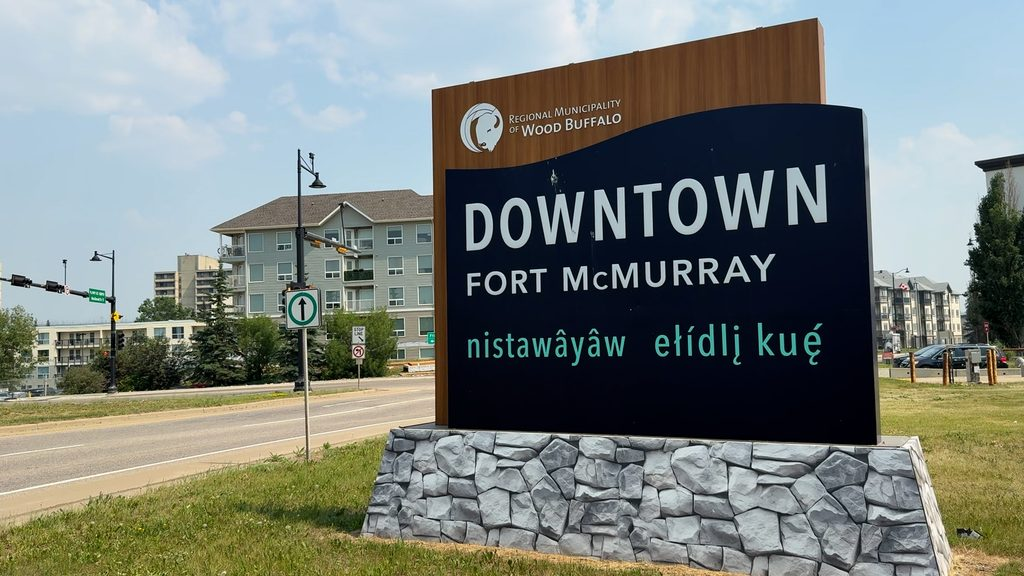
At the time, the entire country celebrated this monumental accomplishment. But for the Regional Municipality of Wood Buffalo (RMWB), which includes Fort McMurray and nine rural communities, that milestone was only meaningful if they maintained it.
Over the past three years, they’ve been able to do just that.
The recipe to their success, according to those doing the work in Fort McMurray-Wood Buffalo, lies in prevention and diversion, strong relationships, and clear processes.
When people are in crisis, the local Royal Canadian Legion has resources to rapidly intervene, preventing homelessness from happening in the first place.
If those resources can’t stop homelessness from happening, veterans are prioritized, and the entire community comes together to find the resources, the housing and the supports needed to get that person back into housing.
“Prevention and diversion first. If that doesn’t work, then the entire community acts collectively to get someone back on the shortest path to housing. That’s how Fort McMurray-Wood Buffalo has maintained functional zero homelessness for veterans,” said Lori Richer, the Canadian Alliance to End Homelessness (CAEH)’s lead improvement advisor for the regional municipality.
Stopping homelessness before it happens
Dale Bendfeld spent 40 years with the Canadian Armed Forces and the RCMP. In the last few years of his career, he was stationed as an RCMP officer in Fort McMurray.
Today, he’s the president and service officer for the Royal Canadian Legion Branch 165 in Fort McMurray.
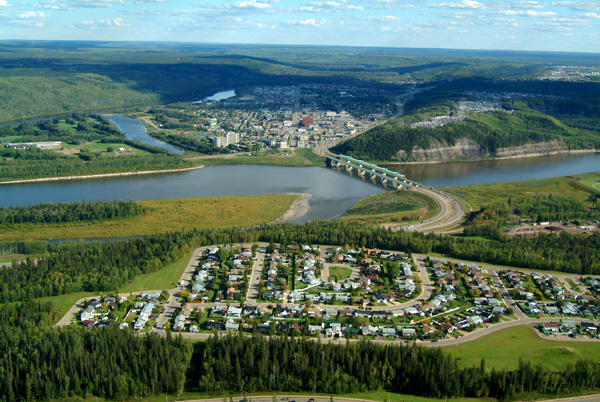
He estimates there are more than 300 veterans living in the area.
While most have never experienced homelessness, Bendfeld says it can be hard for those who need help to reach out.
“They are used to standing on their own two feet, and to ask for assistance is something they are very reluctant to do … so you have to go and look for them. That requires you to not sit and wait for them to come to you. You have to be proactive,” Bendfeld said.
Despite the service officer role being voluntary, Bendfeld said he takes his role seriously as a continuation of his service, to lead and make sure the men, women and families that served are being taken care of.
Bendfeld will go out into the community, driving around and talking to people living in encampments or staying in emergency shelters. He joins with different groups and has built relationships with these organizations in Fort McMurray to spread awareness that he is available to help.
“You have to break through that tough exterior crust … but I’ve always found through personal interactions and discussion, they will open up to somebody who has worn the same boots they have worn and can speak the same language,” said Bendfeld.
To prevent homelessness, Bendfeld needs to know exactly who is at risk of losing their home, so he can help.
“I’ve found veterans that are single men and women just trying to stay on their own two feet, living in the bush, trying to work during the day and sleeping in encampments at night. I’ve also found a single mother with three kids and a dog trying to live in a car behind a shopping centre,” he said.
When Bendfeld meets someone at risk of or experiencing homelessness, he checks to see if they identify as a veteran. If they don’t, he refers them to other agencies in Fort McMurray-Wood Buffalo.
If they self-identify as a veteran, he works with them to have their veteran status confirmed by Veterans Affairs Canada (VAC). Once their status is confirmed, they can access emergency housing, health and well-being resources through VAC and the Royal Canadian Legion Poppy Fund.
Ideally, homelessness can be prevented by resolving problems with their existing tenancy, accessing medical interventions by VAC, or rapidly finding another housing option.
“Our local Legion is very good at supporting people at risk of homelessness, so they do a lot of the prevention work and they can get them housed right away or prevent evictions,” said Amanda Parsons, social programs advisor with the Regional Municipality of Wood Buffalo.
If a veteran does become homeless, they are quickly connected to the municipality’s homelessness response system.
“Our community is committed to ensuring that any veteran experiencing homelessness is quickly identified and connected to appropriate housing and support services,” said Parsons.
“Our commitment is rooted in the deep gratitude and respect we have for those who have served our country,” she said.
Initially, it took a lot of time and effort to build out the process so veterans would be prioritized and rapidly connected to housing and supports.
Participation in CAEH’s Built For Zero—Canada Veteran Cohort helped Fort McMurray-Wood Buffalo build a coordinated system, Parsons said.
“Joining the cohort provided a structured, data-driven approach to reducing veteran homelessness and helped focus our efforts on achieving measurable outcomes,” she said.
CAEH’s lead improvement advisor for RMWB also provided clear direction on the steps needed to prioritize veterans and address any bottlenecks that would delay the process connecting a veteran to housing and supports.
“CAEH always reiterates that importance of looking at the data, holding us accountable to it and ensuring that our processes are solid,” Parsons added.
Now, when a veteran is identified as experiencing homelessness, the community coordinated access team rapidly completes an assessment to understand the type of housing and supports the person needs. The team works with the Legion to confirm veteran status and refers individuals to the most appropriate housing program aiming to achieve permanent housing within 30 days.
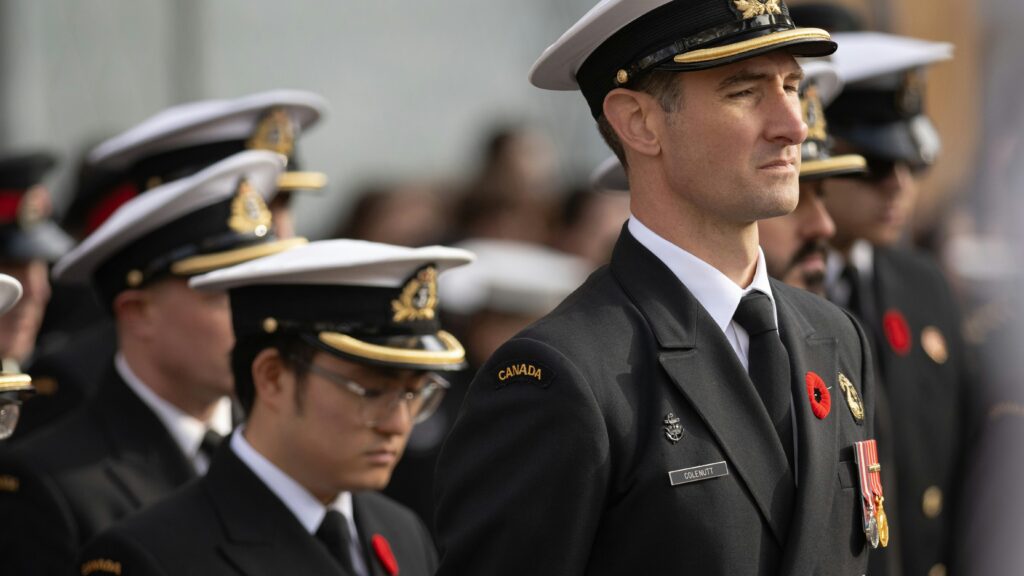
Ensuring all community members know help is available
While the system is working to prevent and end homelessness for veterans in Fort McMurray-Wood Buffalo, RMWB recognizes they can’t become complacent.
A common pitfall for communities is that people at risk of, or experiencing homelessness, may not know what resources are available to help them.
That’s where Fort McMurray-Wood Buffalo has excelled. Organizations, the Legion in particular, proactively share information about the kinds of supports they can offer people in times of crisis.
It has spread into greater community awareness.
“You’ll see on Facebook, people suggesting those in need of help go to a certain program or agency. We really try to make sure that the programs doing prevention are known for doing prevention … so that people know before they even are experiencing homelessness where to go,” said Parsons.
Now, the RMWB is trying to use the lessons from their success in ending veteran homelessness to reduce chronic homelessness, when someone is experiencing homelessness for six months or more.
In April 2026, the municipality launched an improvement project, in partnership with CAEH, and with funding from the Homelessness Reduction Innovation Fund project.
The aim is to slow the inflow of people into homelessness by preventing it from happening in the first place.
The project adds a diversion position focused on identifying people at risk of homelessness earlier and working with service providers to prevent people from falling into and getting stuck in emergency shelters and homelessness.
“We’ve seen this succeed with the Legion, and we’re trying to mimic that,” said Parsons.
*This Bright Spot was funded by the Government of Canada.